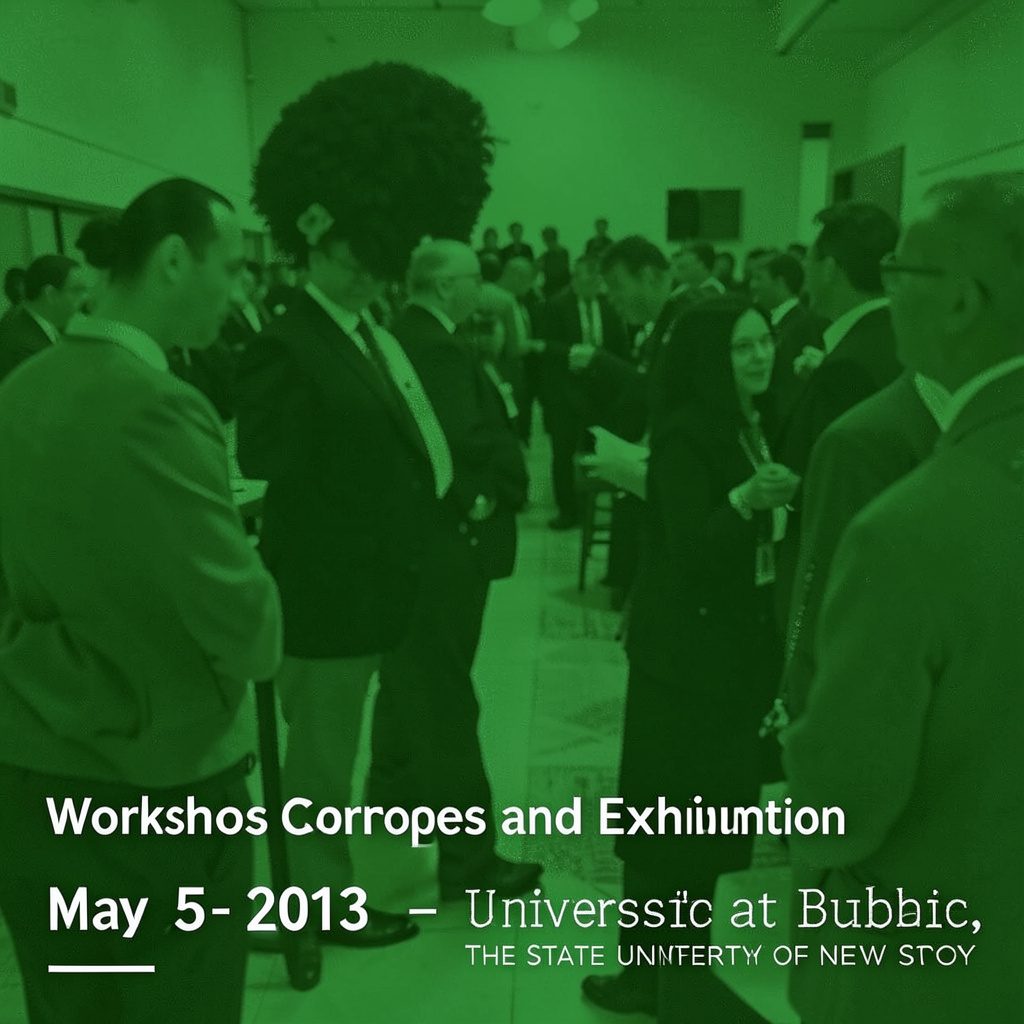
Urbanity and digital media
MediaCity 4 examined pluralities and globalities in the relations between urbanity and digital media. Its focus included non-Western cities, post-Capitalist conditions, and cities marked by civic turbulence.
Use the conference resources to explore the program, schedule, exhibition, registration information, proceedings, and advisory committee.
MediaCity gatherings bring together scholars, students, and practitioners who are curious about how situated technologies reshape the experience of contemporary city life. The series treats architecture and media as intertwined practices, inviting participants to examine how digital communications, responsive environments, and reflexive urban infrastructures influence everyday encounters. Across its editions, the initiative has cultivated an inquiry that bridges design, cultural studies, and the social formations that emerge around shared spaces and public domains.
Conferences within the MediaCities framework typically unfold as layered programs combining keynote reflections, focused workshops, exhibitions, and student-led presentations. Rather than treating the city as a fixed backdrop, these convenings position urban sites as active participants in the production of knowledge, asking how media infrastructures articulate new methods for expanded understanding of place. The result is a generous intellectual atmosphere that supports cross-disciplinary dialogue and the careful documentation of emergent methods in the field.
Rooted in the traditions of post- Bauhaus inquiry and shaped by a global network of faculty, the conferences emphasize the pluralities of urban life that have been overlooked or deserve greater attention. By hosting discussions on non-Western cities, post-Capitalist conditions, and zones of civic turbulence, the program encourages participants to reconsider the boundaries of architectural and media practice. Workshops and exhibitions extend these conversations into tangible materials and situated interventions that remain available as lasting resources.