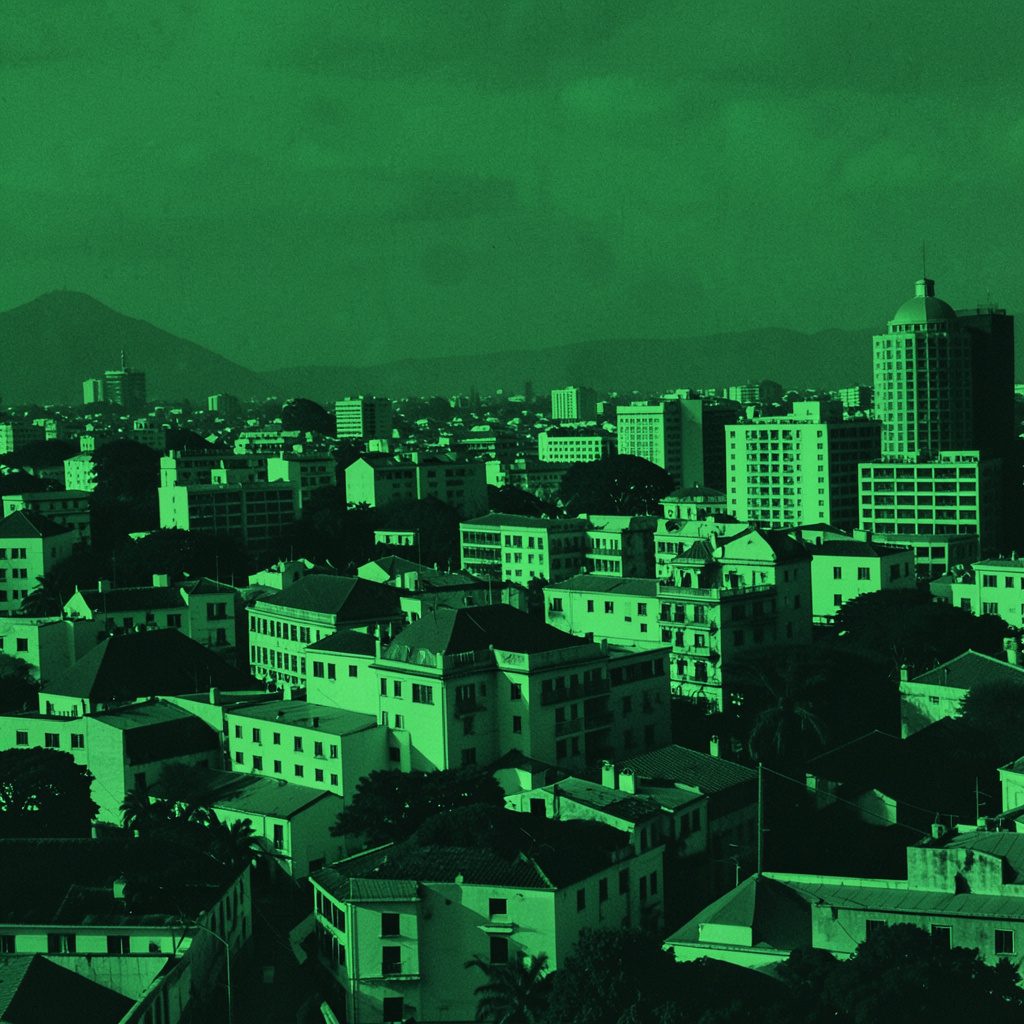
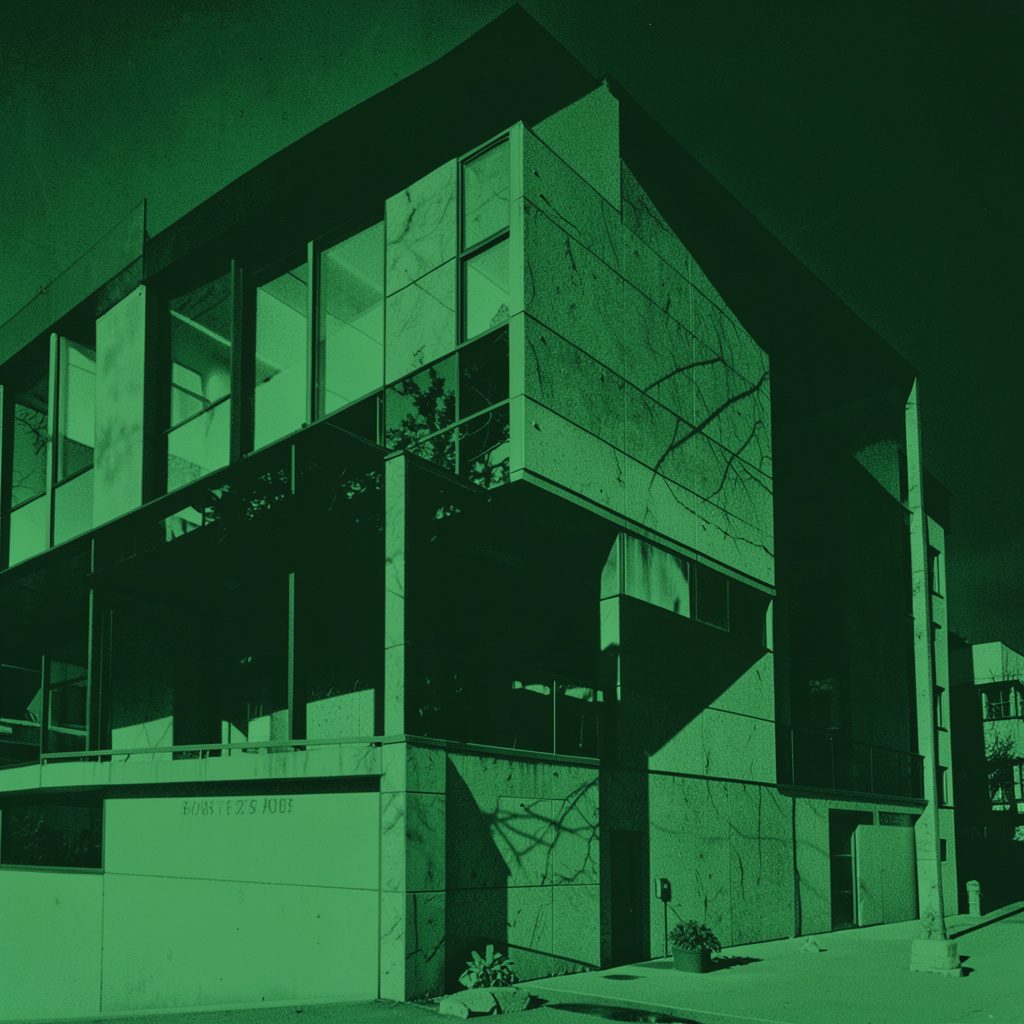
The Center for Architecture and Situated Technologies investigates how computation, media, and design reshape the experience of cities. Its research spans Reflexive Architecture Machines, the Architecture and Situated Technologies Symposium, and the Hida Workshop — initiatives that connect fieldwork with theoretical inquiry. Extended research resources, publications, and people are available at cast.b-ap.net.
Contemporary cities are increasingly shaped by the silent influence of computation, media, and design. As everyday environments become saturated with sensors, screens, and networks, the experience of urban space grows more layered and more reflective. This Center for Architecture and Situated Technologies treats the city as a living laboratory where built form and digital infrastructure continually inform one another, inviting new ways of seeing, inhabiting, and interpreting the places we share.
Reflexive Architecture Machines form one of the core inquiries at the Center. The concept suggests that buildings and urban systems can sense their own presence and surroundings, adjusting, recording, and responding in ways that fold the act of seeing back into the space being observed. This reflexive loop reframes architecture as something more than static mass, opening it toward feedback, adaptation, and ongoing dialogue with its milieu.
Symposia organized through the Architecture and Situated Technologies program bring together researchers, practitioners, and students to examine how situated technologies alter civic life. Conversations move between theory and fieldwork, asking how computational tools reshape spatial practice and how situated knowledge, in turn, challenges universal design assumptions. The symposium serves as a meeting ground where disciplinary boundaries soften and where architecture, media studies, and urbanism can be reimagined together.
The Hida Workshop extends this inquiry into a regional context, offering participants a chance to engage directly with a specific cultural and geographic setting. Through site visits, mapping exercises, and collaborative design sessions, the workshop encourages careful attention to local materials, histories, and ecological conditions. This grounded format reminds participants that technologies never arrive in empty space; they land in particular landscapes and communities whose textures deserve equal consideration.
Urbanity today is marked by what some describe as post-capitalist turbulence. Cities grow and contract in uneven rhythms, demographic patterns shift, and longstanding infrastructures strain under new pressures. Within this context, the Center is interested in how architecture might contribute to more reflexive, equitable, and plural futures. Rather than treating cities as fixed products, the work engages them as ongoing formations shaped by intersecting social, cultural, and material forces.
Crossing boundaries between disciplines is central to the Center's method. Architecture is approached alongside media theory, urban geography, and the philosophy of technology, allowing questions to move freely between scales, from the smallest interface to the broadest metropolitan region. This cross-boundary posture resists the tendency to isolate design from its broader entanglements with communications, ecology, and everyday life, treating these relations as essential rather than peripheral.
A core concern is the articulation of practice and method. The Center asks how design knowledge is produced, communicated, and revised when the objects of design are increasingly computational and data-rich. By foregrounding methods alongside finished work, the Center contributes to an expanding field of inquiry that values process, reflection, and shared vocabulary. Publications, courses, and public initiatives all serve as channels for this collective investigation.
Initiatives such as workshops, exhibitions, and conferences extend the Center's reach beyond the university. International collaborations connect the work to broader conversations about emergent urbanities, global-local relations, and the ethical dimensions of digital systems. Through these exchanges, the Center participates in a wider effort to understand how contemporary cities are being reshaped and how design can take responsibility for the populations and places too often overlooked.
The Center is positioned as a host for sustained inquiry rather than as a destination for quick answers. Its programs unfold across semesters, residencies, and ongoing research lines, supporting faculty, students, and visiting scholars as they follow complex questions over time. This long-term commitment reflects an understanding that the entanglements of media, architecture, and city life require patient attention, careful listening, and a willingness to revise assumptions as conditions continue to change.